
What is biodiversity?
‘Biodiversity’ or ‘biological diversity’ is the term used to describe the enormous variety of life on our planet, from animals and plants to fungi and bacteria.
It is important because all species interact with each other and exist within an ecosystem. Biodiversity refers to both the species themselves and the environment in which they live and survive.
In our parish, some of our most common ecosystems include the wet woodland found in large parts of South Ascot (which used to be known as The Bog!), where you will find birch and alder, as well as numerous insects and birds. We have examples of heathland at nearby Chobham Common, plus lowland heath in Swinley Forest, itself originally part of the ancient Windsor Forest with its oaks and nationally renowned fungi.

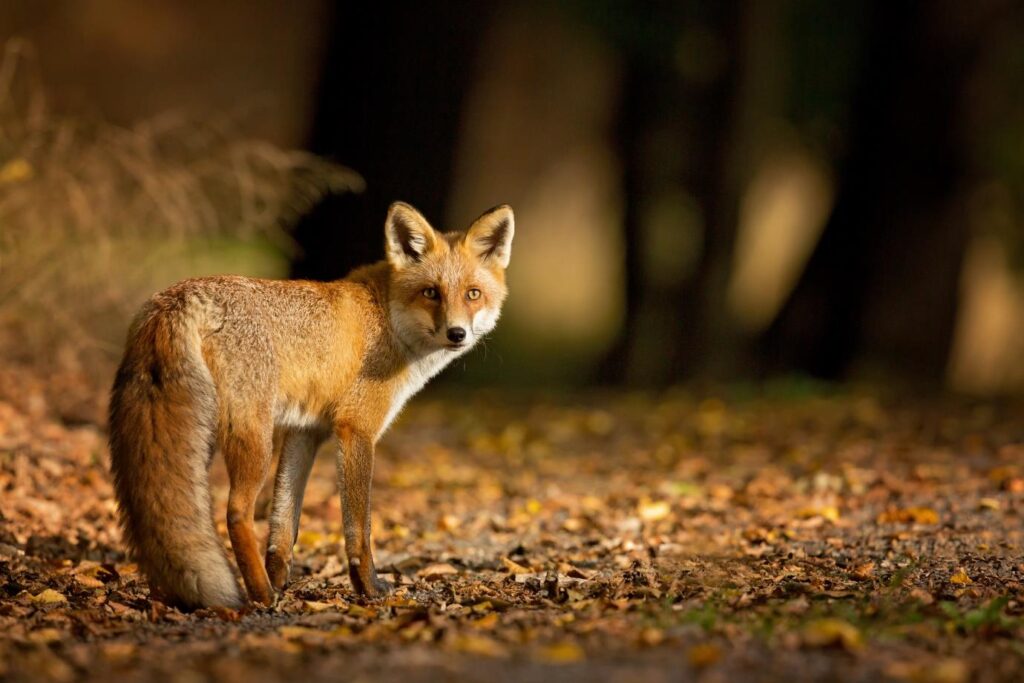
Species that you can find locally include birds such as sparrows, tawny owls, buzzards, bullfinches, goldcrests, wrens, kites, and swifts; small mammals like hedgehogs and rabbits; larger mammals including deer and foxes; insects such as stag beetles; and in our waterways, frogs and stickleback fish.
Why is it important?
Many species and indeed whole ecosystems are under threat of extinction from current human activity and its resultant pollution of our air, land, and water. Increasing populations will add to this problem, so we all need to ensure that our unique landscape is protected now, for the future.

What is the government doing to tackle this problem?
The government has introduced a policy called Biodiversity Net Gain (BNG) which is a way of creating and improving natural habitats. Developers in England must deliver a biodiversity net gain of 10% when developing a site. This means that rather than a housing development or a building site reducing natural habitats through its construction, the area must be left in an increased or better state to support biodiversity and natural habitats than it was beforehand.
From January 2024, BNG will become mandatory for developers when building new housing, industrial, or commercial sites. This will mean that developers must incorporate new habitats or green spaces into their schemes. Local planning authorities can set policies for BNG and can also identify local sites suitable for habitat creation and enhancement.
What is the parish council doing to improve biodiversity?
All public authorities in England must consider what they can do to conserve and enhance biodiversity in their area as part of their normal remit and
responsibilities. These include:
- ensuring public access to high-quality green spaces
- protecting green belt land and safeguarding against encroachment
- maintaining green corridors and preventing built-up areas from merging.
Within the Sunninghill and Ascot parish, our current and future plans include:
- Opening up disused footpaths and rights of way and enabling more people to enjoy walking and cycling, thereby reducing car use
- The renewal of our parks and nature reserves, with new footpaths and access routes, appropriate planting schemes to encourage wildlife, and the provision of interpretation boards giving details about plants and animals to be found locally
- The maintenance of our existing wildlife corridors, as detailed in the current Neighbourhood Plan (6.1.5 Green corridors, pg.28)
- Running of projects to improve biodiversity in the area, in conjunction with groups such as Wildlife in Ascot.
